

By Agnes Namaganda
The Pearl Foundation has shared key lessons from its two-year education sponsorship initiative, warning that Uganda’s education system continues to face widening inequality, declining standards, and weakening parental responsibility.
Citing concerns about increased school dropout rates, limited access to quality schooling, and a growing divide between private and government-aided schools, the Foundation says the state of education reflects broader national challenges.
“If one wants to know the progress and direction of a country, the quickest way is to look at how it treats its children,” the Foundation notes. “Education defines the future of our civilisation and culture.”
Although Uganda introduced Universal Primary Education (UPE) and Universal Secondary Education (USE) to ensure free schooling, many children remain out of school or drop out before completion. Meanwhile, youth unemployment continues to rise, prompting questions about the relevance of schooling and value delivered by institutions.
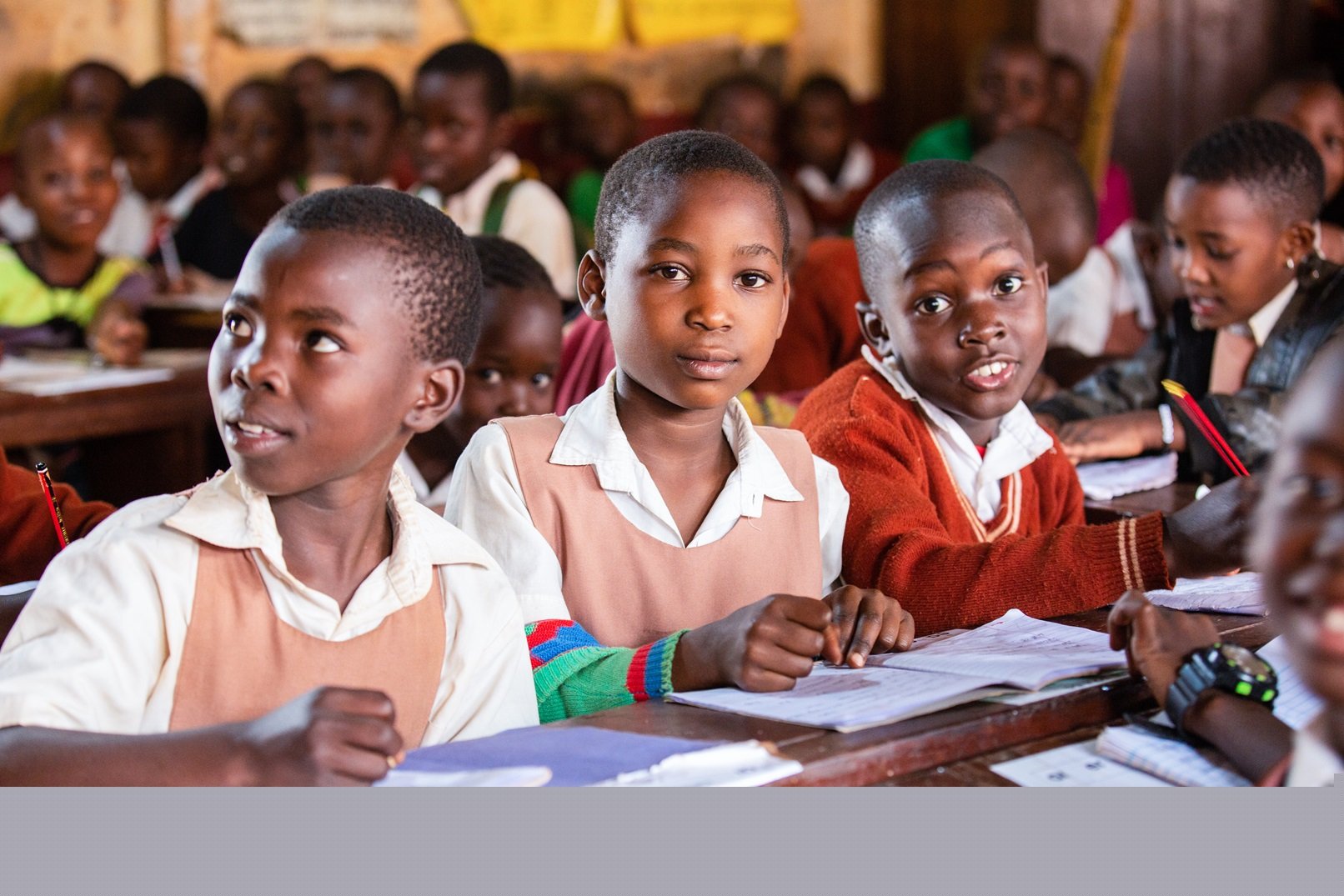
Pearl Foundation began sponsoring children two years ago to support families unable to meet school costs. The programme now covers 500 learners, though the organisation says this is “a drop in the ocean” compared to demand.
However, the Foundation reports that fee support alone is insufficient and may unintentionally fuel dependency.
“Once parents are relieved of school fees, they relax,” the Foundation notes. “They stop buying uniforms, books and even fail to provide lunch. Some refer to their children as ‘Pearl Children’, similar to what happened when government took on school fees.”
The Foundation plans to prioritise shifting parental attitudes, arguing that strengthening family commitment to education is as critical as financial support.
A recent survey in schools where Pearl sponsors children found overcrowded classrooms, inadequate furniture, poor sanitation, and limited access to safe water. Many nursery sections face acute shortages of space and learning materials. Schools also increasingly charge between Shs100,000 and Shs200,000 for “graduation” from top class to Primary One.
The Foundation attributes declining standards partly to weak inspection and regulation.
“The Ministry of Education has limited inspection staff. Some schools lack licences, operate in unsafe environments, or are not fenced. Fire safety is inadequate, and children can move in and out freely,” the report states.
Feeding remains a challenge. In many schools, lunch is optional, but few parents provide meals even though they would feed children at home. The Foundation argues this points to attitude rather than purely economic constraints.
In urban schools, limited land means some institutions lack playgrounds, with children missing out on early-years play crucial for development. Special needs learners are also neglected, especially in low-cost private schools where referrals are rarely made.
The survey further revealed minimal parental engagement. Mothers bear most of the burden of school involvement, while many fathers do not know where their children study and rarely attend school meetings.
The Foundation also raised ethical and operational dilemmas: how to fairly select beneficiaries, how long to support learners, whether to prioritise vocational skills, and how to improve teaching quality in beneficiary schools — or influence wider systems beyond its sponsorship footprint.
“These are questions not only for Pearl Foundation,” the report notes, “but for parents, teachers, government, leaders, and the children themselves.”
The organisation says Uganda must urgently re-examine parental involvement, public school quality, early-childhood learning standards, investment in vocational training, and regulatory enforcement to ensure schools serve communities rather than operate primarily as businesses.
“What do readers think?” the Foundation concludes, inviting public debate on the future of Uganda’s education system.
